ROUNDS
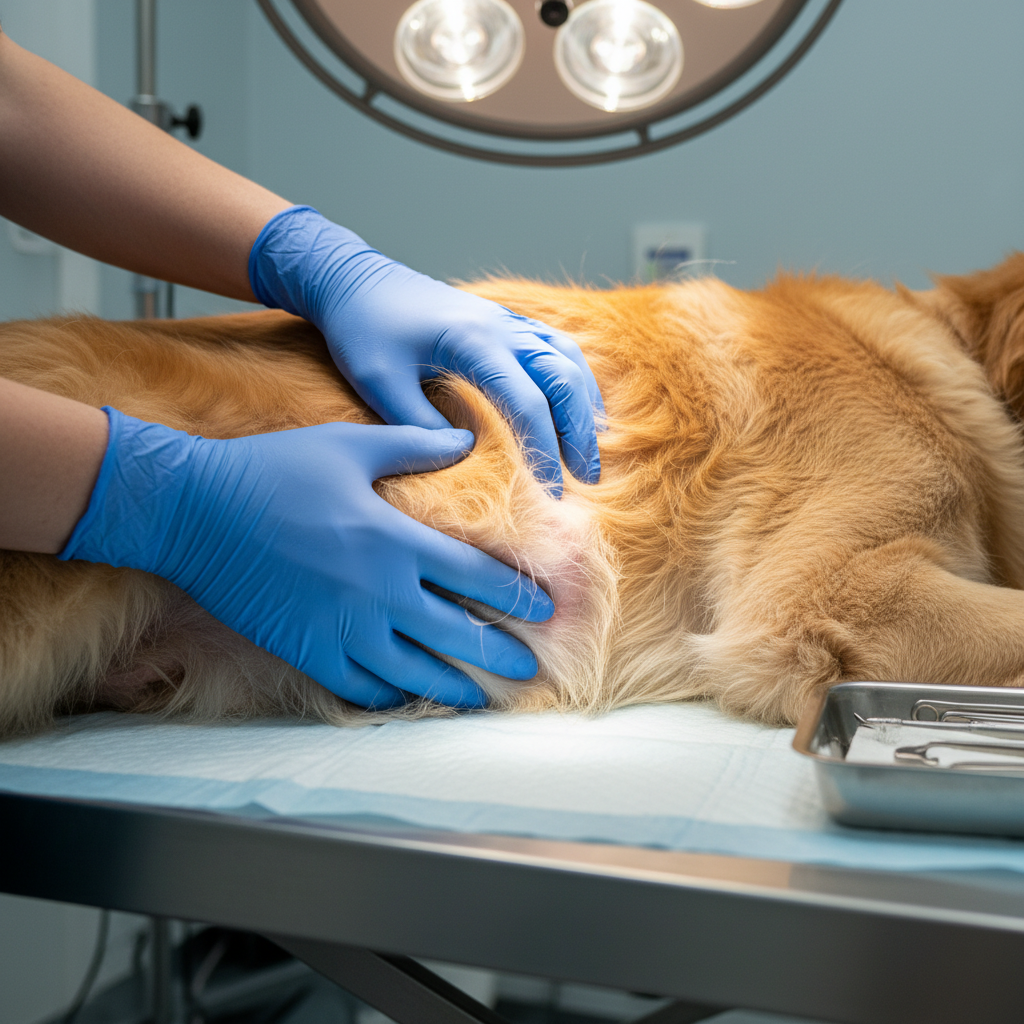
Occult Splenic Mass in a 9-Year-Old Labrador: How Palpation Caught What Ultrasound Deferred
A mixed-practice case study from rural Manitoba demonstrates how systematic manual examination protocols — abandoned in many urban clinics — led to early-stage hemangiosarcoma identification, altering the surgical timeline by eleven days.
DEA Schedule Reclassification of Tramadol: What Your Controlled-Substance Log Needs by April 1
Interim enforcement guidance and updated DEA Form 222 procedures for mixed-practice clinics holding existing inventory.

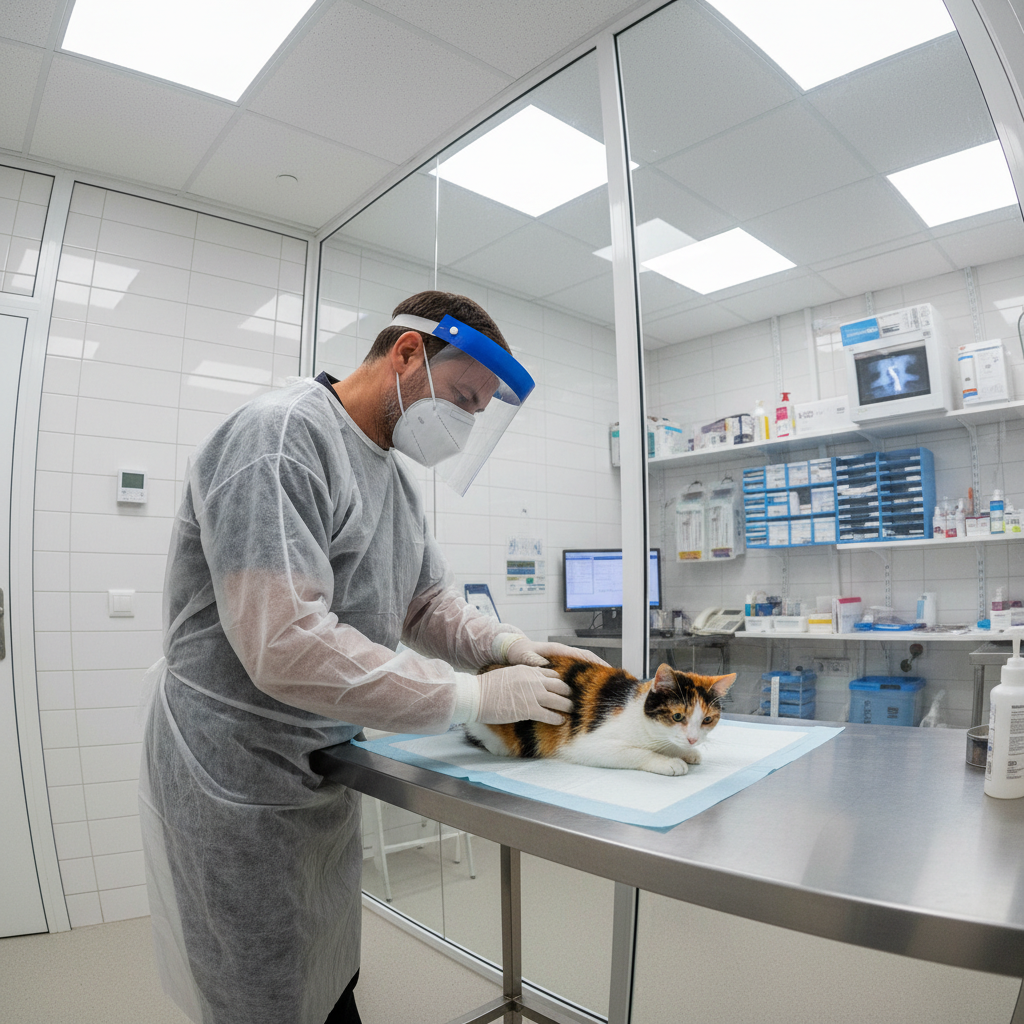
H5N1 Spillover in Domestic Cats: Updated Exposure Protocol and PPE Guidance from AVMA Task Force
Three confirmed feline cases in Iowa and Minnesota prompt revised triage screening for cats presenting with acute respiratory distress.
This Week in Practice
Issue 47
Gabapentin Dosing Reassessed: New Pharmacokinetic Data Challenges the 10 mg/kg Standard in Feline Chronic Pain Management
A blinded crossover study across four ABVP-certified feline practices suggests the commonly cited ceiling dose produces subtherapeutic plasma levels in cats over 5 kg.
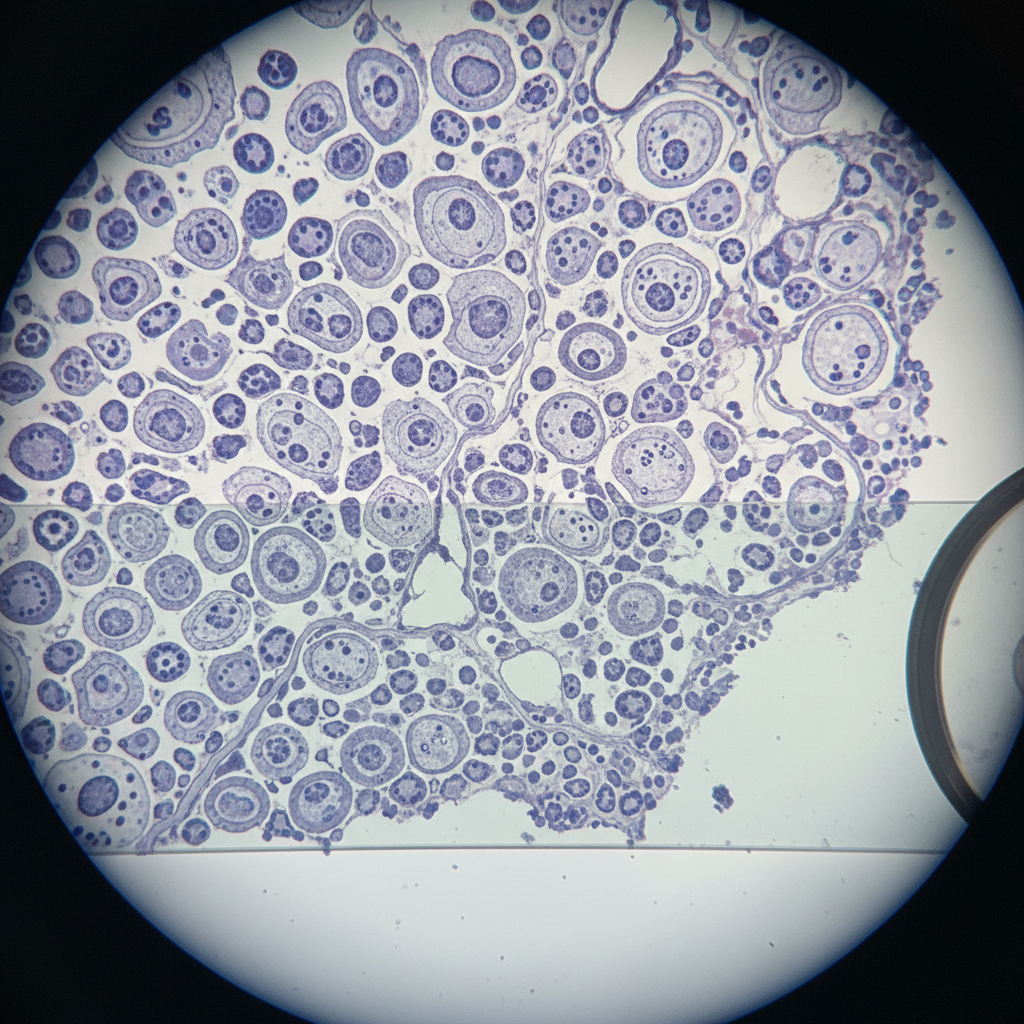
Toceranib Resistance Patterns in Canine Mast Cell Tumours: Early Biomarkers That May Predict Treatment Failure at Week Six
Retrospective analysis of 214 cases at three oncology referral centres identifies three serum markers that correlate with tyrosine kinase inhibitor resistance before clinical progression.
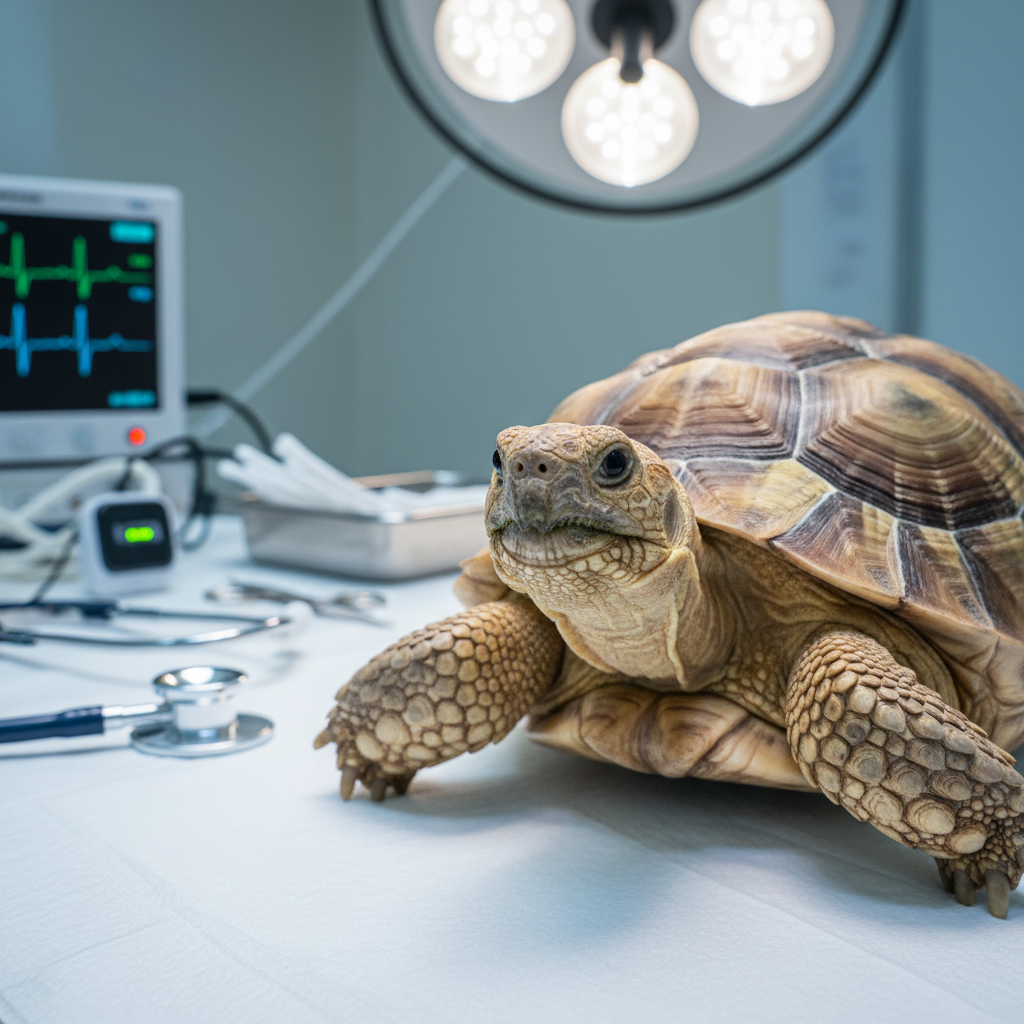
Chelonian Respiratory Syndrome: Differentiating Mycoplasmosis from Herpesvirus Using Point-of-Care PCR in a Mixed Reptile Practice
A field report from a high-volume exotic practice in Arizona demonstrates a rapid diagnostic workflow that reduces empirical antibiotic use by 60% in tortoise colonies.
Get the Morning Brief
Clinical intelligence delivered before your first appointment. Peer-reviewed, CE-accredited, and completely free.
The Quiet Emergency: Fluoroquinolone Resistance Is Rising in Companion Animal Practices — and Most Clinicians Don't Know Their Baseline
In the spring of 2023, a three-veterinarian mixed practice in suburban Columbus began noticing something troubling in their culture-and-sensitivity results. Escherichia coli isolates from routine urinary tract infections — the bread-and-butter of any small-animal caseload — were returning resistant to enrofloxacin at rates their attending internist had never seen in twelve years of practice. By the time they contacted the Ohio State diagnostic laboratory for a retrospective analysis, the pattern was unmistakable: their fluoroquinolone resistance rate had climbed from 24% to 47% in eighteen months.
They were not an outlier. Data from the National Antimicrobial Resistance Monitoring System's companion animal surveillance arm, compiled across 8,412 isolates submitted from 22 states between 2020 and 2024, reveals a consistent and accelerating upward trend. The figure below illustrates resistance trajectories for the three most commonly isolated gram-negative and gram-positive organisms in companion animal practice.
Fluoroquinolone resistance rates in companion animal isolates, 2020–2024
Source: NARMS Companion Animal Surveillance Program · n = 8,412 isolates across 22 states
"The resistance rate is not the crisis. The crisis is that the average practice has no denominator — no idea what their baseline looks like. You cannot steward what you cannot measure."
What makes this data particularly actionable for mixed-practice clinicians is the granularity now available at the regional level. Unlike the broad national averages that shaped the 2023 AVMA antimicrobial stewardship guidelines, the NARMS 2024 companion animal supplement allows practices to benchmark against their specific USDA agricultural district — a meaningful distinction given that fluoroquinolone use patterns in livestock operations within a region demonstrably influence companion animal isolate profiles within a 50-mile radius.
The practical implications for protocol design are significant. For practices currently running culture-and-sensitivity testing on fewer than 30% of suspected bacterial infections, the new regional benchmarking tool offers a compelling case for increasing diagnostic rigour — not as a defensive posture, but as a genuine clinical quality improvement that strengthens client communication and reduces empirical treatment failures.
Read the Full Report
The remaining 9 minutes include regional benchmarking methodology, a protocol template for culture-first workflows, and 0.5 RACE CE credit.
Editorial Board
Board-Certified SpecialistsEvery article published in Rounds carries the review of at least two board-certified specialists in the relevant discipline. No sponsored content. No industry-funded editorials.

Dr. Priya Subramaniam
DVM, DACVIM (Oncology)Small Animal Oncology
Dr. James Okafor
DVM, DACVIM (Oncology)Medical Oncology
Dr. Elena Marchetti
DVM, PhD, DACVIMAntimicrobial StewardshipDr. Tomoko Ishikawa
DVM, DACVAAVeterinary Anesthesiology
Dr. Marcus Webb
DVM, JDRegulatory & Compliance
Dr. Catalina Reyes
DVM, DABVP (Reptile & Amphibian)Exotic & Zoo SpeciesStart Your Morning Smarter
Join 14,000 veterinary professionals who read Rounds before their first appointment. No ads. No sponsored content. Just clinical intelligence.